Anti Fluoridation Advocacy in Birmingham: Infant Health and Local Campaigns
Anti fluoridation advocacy in Birmingham is led by regional grassroots networks, notably West Midlands Against Fluoridation (WMAF), challenging the target 1.0 mg/L artificial fluoridation scheme managed by Severn Trent Water.
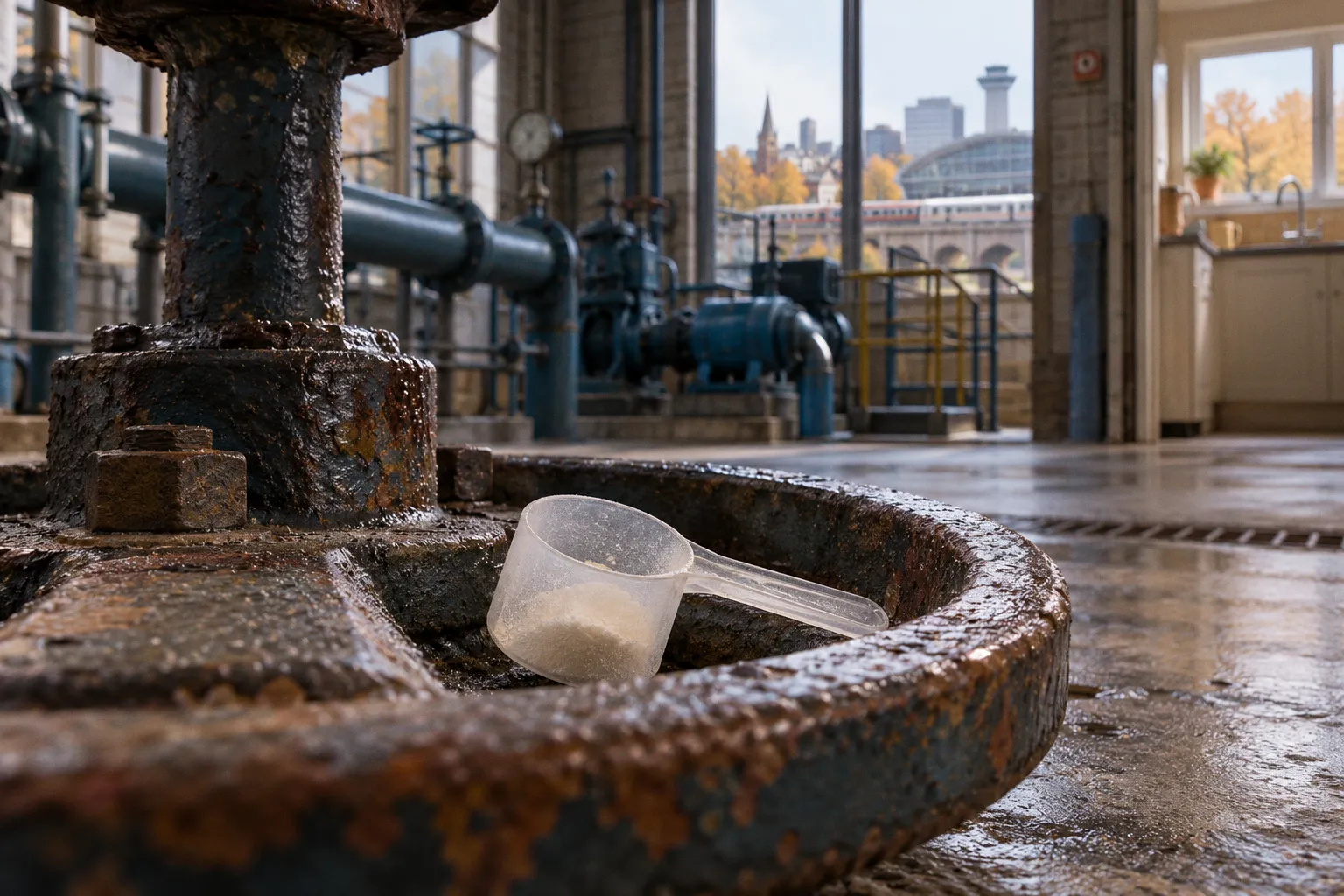
Campaigners focus primarily on health risks for infants and young children under six, who face cumulative fluoride exposure from tap water and toothpaste.
| Scheme Origin | 1964 (UK's first permanent community fluoridation scheme) |
| Water Supplier & Source | Severn Trent Water (sourcing from Elan Valley reservoir, Wales) |
| Key Advocacy Group | West Midlands Against Fluoridation (WMAF) |
| Target Concentration | 1.0 mg/L (1 ppm; WHO limit is 1.5 mg/L) |
| Legal Authority | UK Secretary of State / central government (Health and Care Act 2022) |
| Key Campaign Figures | Joy Warren and regional public health advocates |
Navigating public health policy and water supply details in Birmingham requires understanding both historical infrastructure and modern regulatory frameworks. Birmingham became the first UK city to implement permanent community water fluoridation in 1964, receiving water treated by Severn Trent Water from Wales's Elan Valley. Today, anti fluoridation advocacy in Birmingham continues to raise concerns regarding infant and child safety. Campaigners highlight that young children consuming fluoridated tap water alongside standard fluoridated dental products may exceed recommended EU intake levels, increasing the risk of dental or bone fluorosis. However, official decisions no longer sit with local municipal councils following national legislative updates. This guide outlines the key community advocacy groups, core arguments surrounding infant welfare, the regulatory division between local utilities and central government, and practical context for residents and visitors navigating the West Midlands.
Local Advocacy Framework and Key Campaign Groups
Community resistance to artificial fluoridation across the West Midlands is coordinated largely by dedicated regional platforms such as West Midlands Against Fluoridation (WMAF), supported by prominent campaigners like Joy Warren.
- Primary Focus: WMAF and aligned groups actively challenge the artificial addition of fluoride compounds to public drinking water supplied by Severn Trent Water.
- Infant and Child Safety: Campaigners emphasize that children under six who consume fluoridated tap water while also using fluoridated toothpaste risk exceeding safe EU limits, predisposing them to dental or bone fluorosis.
- Historical Counter-Arguments: Public health bodies point to historical data showing a 46% drop in tooth decay among 5-year-olds in Birmingham's Northfield suburb between 1964 and 1970, compared to a 2% decline in non-fluoridated Dudley during the same period.
Water Governance and Central Decision-Making
A critical challenge for local advocacy campaigns is the legislative structure governing water treatment in England.
| Level | Entity | Jurisdiction & Function |
|---|---|---|
| Central | UK Secretary of State | Direct legal authority to initiate, modify, or terminate schemes under the Health and Care Act 2022 |
| Regional | Severn Trent Water | Operates and manages fluoridation dosing using water sourced from the Elan Valley reservoir |
| Local | Birmingham City Council | Historical consultee; does not hold unilateral legal power to halt regional fluoridation |
Under the Water Industry Act 1991 and the Health and Care Act 2022, direct decision-making power rests with central government rather than local local authorities, meaning regional advocacy is aimed primarily at national health policy.
City Access, Transport Hubs, and Vehicle Pick-Up Points
For travelers and campaign representatives visiting Birmingham for meetings or regional inquiries, access across the metropolitan area is centered around several transport and rental hubs:
- Birmingham Airport (BHX): Located east of the city center, offering major on-site car rental facilities and direct access to the A45 and M42.
- Central Rail Stations: Major vehicle pick-up desks and transit connections operate around Birmingham New Street, Moor Street, and Snow Hill stations.
- City Pick-Up Points: Distributed throughout central Birmingham, catering to regional business travel into Worcestershire, Warwickshire, and Staffordshire.
Practical Considerations for Navigating the West Midlands
When traveling through the wider West Midlands region for regional advocacy summits or community visits, plan around local urban traffic and regional water supply geography:
- Water Sources: Water in Birmingham is supplied by Severn Trent Water from the Elan Valley reservoirs, treated to a target fluoride level of 1.0 mg/L.
- Regional Travel: The West Midlands conurbation features heavy commuter traffic along the M6 and M42 corridors; timing travel outside morning and evening rush hours is advised.
- Regulatory Inquiries: Those seeking formal engagement on water fluoridation schemes must direct petitions to central health authorities rather than local municipal offices.
Where to go by car
| Destination | Distance | Time | Tolls (est.) | Why go |
|---|---|---|---|---|
| Elan Valley Reservoirs (Wales) | ~145 km | ~2 h 30 min | — | Visit the historic Victorian reservoir system that supplies Birmingham's drinking water. |
| Dudley | ~16 km | ~30 min | — | Explore the neighboring Black Country borough historically used as a non-fluoridated baseline in 1960s dental health studies. |
| Northfield Suburb | ~11 km | ~25 min | — | Drive to south Birmingham, site of the 1964–1970 public health dental decay surveys. |
| Coventry | ~35 km | ~40 min | — | Connect to regional civic forums and neighboring West Midlands transport links via the A45. |
Tolls: rates vary by country and route segment — check current pricing before you go.