Ballot initiatives for water fluoridation: a roadmap for activists
At the bathroom sink, a parent may be weighing a familiar question: if fluoride is already in the tap water, how should that affect a young child’s exposure from toothpaste and other sources?
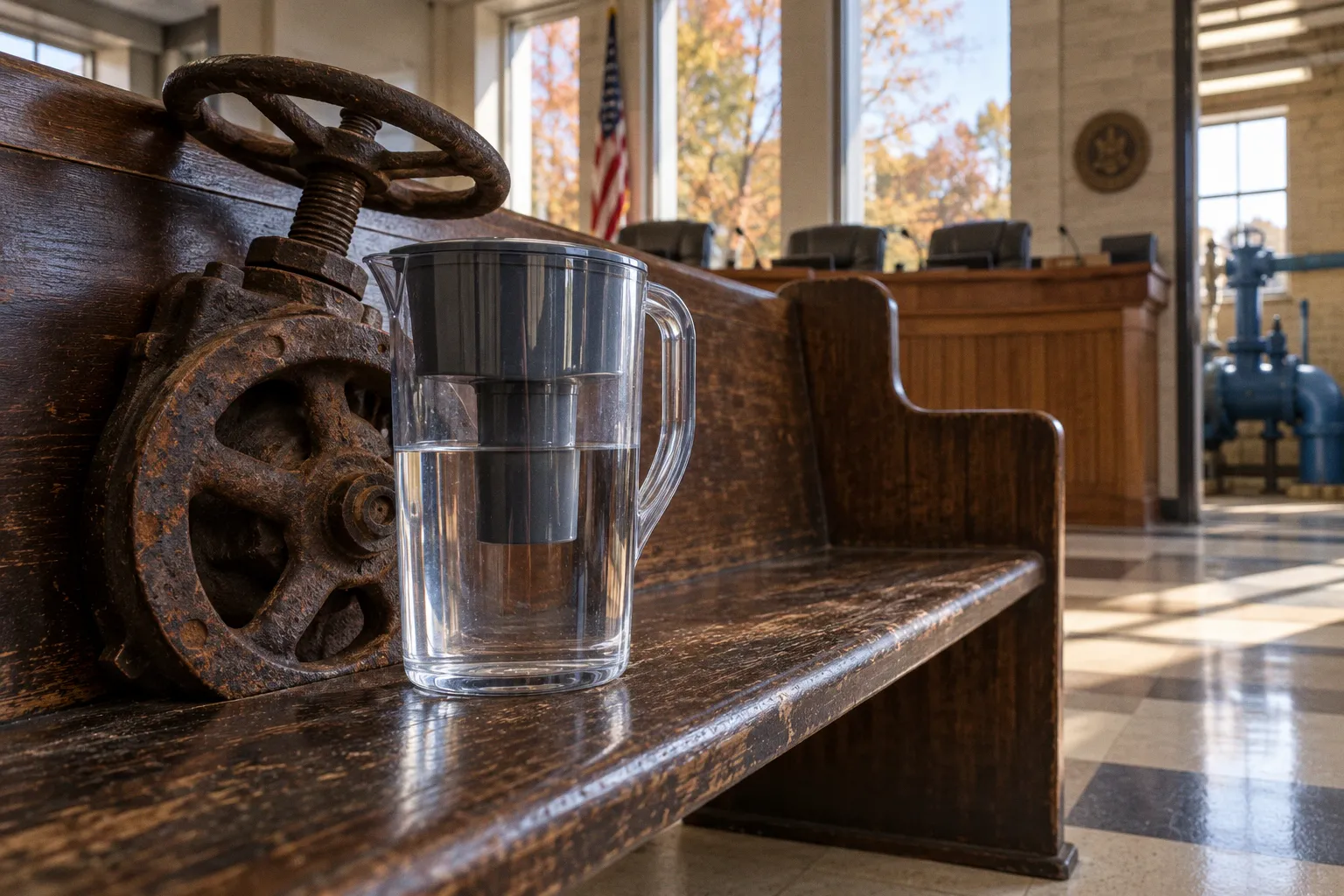
That concern can grow into a community question about local water policy. Turning it into a ballot measure, however, takes more than gathering signatures. The rules depend on state law and municipal charters, and a campaign can lose momentum if it gets the sequence wrong.
The community water fluoridation ballot initiative process usually begins with a legal check, then moves through formal notice, official ballot wording, signature collection, and review. Each step has its own deadlines and requirements. If your community is discussing fluoridation policy, the clearest route is to learn which decisions local voters or officials can actually make, then build a campaign around a precise, verifiable proposal.
Start by finding out who has authority
The first question is not how many signatures you need. It is whether your city or town has the authority to make the change you are proposing.
Fluoridation rules vary across the United States. At least 12 states have statutory requirements that apply to public water systems of certain sizes. A local ballot initiative may not override a state mandate; whether it can proceed depends on the law and any state-level limits. Some municipalities allow citizen initiatives or referendums, while others do not. The availability of a ballot route can also depend on the local charter and on whether the proposal concerns an issue voters may decide directly.
Before printing a petition or announcing a signature target, gather the governing documents and ask the municipal clerk how local measures are filed. The clerk can explain the filing process and administrative deadlines, but may not be able to advise your group on legal strategy. For that, seek an attorney familiar with election law and public utilities in your state.
A practical first review should identify:
- whether state law requires fluoridation for systems like yours;
- whether the city charter permits initiatives or referendums on water policy;
- whether voters, the city council, or a public water-system board controls the relevant decision;
- which office accepts the initial filing and which office verifies signatures;
- whether the measure would be advisory or legally binding.
That last distinction matters. A public vote can express residents’ views, but its legal effect depends on the authority behind it. If a campaign cannot establish that effect before collecting signatures, residents may be left unsure what their vote would change.
The current U.S. Public Health Service recommendation for community drinking water is 0.7 milligrams of fluoride per liter, also expressed as 0.7 parts per million. That figure describes the recommended concentration; it does not answer every question a local campaign may raise about policy, exposure, or how a particular system operates. Keep public-health evidence and local legal authority distinct in your materials. They are related parts of the debate, but one does not establish the other.
File the notice before you ask for signatures
In jurisdictions that allow citizen ballot initiatives, the formal process commonly starts with a Notice of Intent filed with a municipal clerk. The office may then assign a ballot title and prepare or approve an official summary. Local rules may require the notice to be published before signature gathering begins.
This sequence is easy to underestimate. A campaign can have a polished petition and committed volunteers, yet still face a problem if the document was circulated before the authorized filing or publication step. Treat the clerk’s filing instructions as a timetable, not paperwork to finish later.
When organizing a water fluoridation referendum, make a written calendar with the filing date, the expected date of ballot-title approval, publication requirements, the opening and closing dates for signature collection, and the deadline for submission. Confirm each item with the responsible office. Requirements differ by jurisdiction, and a timeline from a neighboring city may not apply to yours.
The initial filing is also the point to clarify what kind of proposal local law permits. A measure might ask voters to approve an ordinance, repeal an existing local rule, or direct a municipal body to take a particular action. Those are not interchangeable forms. If state law reserves the decision to a different authority, the local process may need to focus on a request, a council action, or state-level advocacy instead.
A petition is only useful if the local government has a lawful way to act on the result.
Draft ballot language residents can understand
Drafting local water policy ballot language is a practical and legal task at once. Voters need to know what the measure would do. Election officials need wording that fits the local rules. The proposal should identify the action, the body responsible for carrying it out, and any relevant timing or conditions, without promising an outcome the municipality cannot deliver.
Plain English helps. Avoid turning a ballot question into a miniature argument about every scientific dispute. The ballot language should state the proposed policy clearly; campaign materials can explain why supporters want that policy, what evidence they rely on, and what questions remain unsettled.
Before filing, test the draft against a few questions:
- Can a voter tell what changes if the measure passes?
- Does the text identify the municipal action being requested?
- Is the proposal within the authority of the body named in it?
- Does it use defined terms consistently with local law?
- Can the official summary explain it accurately within the required format?
Ask the clerk about the formal rules for titles and summaries, and have legal counsel review the text where possible. Once officials assign or approve language, use the authorized version in the way local law requires. Informal edits made for flyers or social media should never be confused with the official petition text.
This is also a good moment to make the campaign’s evidence standards visible. If your concern is infant exposure, explain which sources of fluoride you are discussing and avoid implying that a water policy vote resolves every question about toothpaste, diet, or individual dental care. Families deserve a clear account of the policy choice, without alarmist language or unsupported medical claims.
Calculate the signature target, then plan for verification
Citizen petition signature thresholds are set locally. A common requirement in some jurisdictions is signatures from 10% of registered voters, but that is an example, not a nationwide rule. The number may be calculated using a specific voter-registration total, and only signatures meeting the jurisdiction’s validity rules will count.
Some city-level initiatives also have a defined circulation window. A 180-day period is typical in certain places, but it should not be assumed to apply where your campaign is organizing. The local clerk or election office should confirm the exact threshold, how the voter count is determined, what information petition sheets must include, and the dates by which signatures must be collected and submitted.
| Question | Why it matters | What to confirm locally |
|---|---|---|
| How many signatures are required? | The percentage and voter-count baseline determine the target. | The applicable threshold and the date used to calculate registered voters. |
| Which signatures qualify? | Errors can reduce the valid total. | Residency, registration, dates, formatting, and signer-information rules. |
| How long can petitions circulate? | A missed deadline can invalidate otherwise valid work. | The official start and end dates, including any publication requirements. |
| Who verifies the petitions? | The submission route may be different from the filing route. | The receiving office, verification method, and any cure period for defects. |
Build a margin into your internal goal rather than stopping at the legal minimum. That is sound campaign planning, not a claim that a particular buffer guarantees qualification. Volunteers should receive one consistent explanation of the proposal and clear instructions for completing each sheet. Keep signed petitions secure, track which areas have been canvassed, and designate someone to review forms for obvious omissions before submission.
If the measure falls short, find out whether local law permits corrections, additional signatures, or a new filing. Do not assume there is a cure period. If the measure qualifies, continue organizing: certification is a procedural milestone, not the end of public discussion.
Account for state notification rules
Even where a municipality can consider a change, state law may impose additional steps before a public water system votes or acts. Iowa’s HB 390, enacted in 2021, and Washington’s HB 1251, enacted in 2023, require public water system operators to notify state authorities and customers at least 90 days before action or a vote to permanently discontinue fluoridation.
Those examples show why a local petition calendar cannot be planned in isolation. A ballot date, council decision, or system-board vote may interact with a separate notice period. Ask the water system and relevant state agency which provisions apply to your system and what event triggers them. The 90-day period is specific to the rules described here; it is not a universal requirement across the country.
State notification rules and state fluoridation mandates are different issues. A notice requirement sets a procedure for certain proposed actions. A mandate may limit whether a local system can discontinue fluoridation at all. Check both before presenting a referendum as a direct route to a policy change.
When the legal path is uncertain, make that uncertainty plain to residents. A campaign can still request a hearing, seek council action, or advocate for a change in state law, but those routes should not be described as equivalent to a binding local initiative unless counsel confirms they are.
Build a campaign that can hold up in public
Grassroots campaigns need more than a petition table. Residents will ask what the proposal changes, what happens if it passes, and how the campaign is treating evidence about dental health and exposure. A calm, consistent answer is more useful than a dramatic one.
According to the Fluoride Action Network, more than 1,500 North American communities have voted or acted to discontinue or reject fluoridation programs since 2010. That figure describes actions reported by the organization; it does not establish how every community reached its decision or how often a particular campaign strategy succeeds. Use community examples to show that local debate occurs, not as a substitute for checking your own charter and statutes.
Public meetings are a chance to explain the proposal and hear concerns, not simply to repeat campaign messages. Bring the official wording, a clear summary of the decision being requested, and answers to basic process questions: who has authority, what deadlines apply, and what the vote would legally do. If a point is unresolved, say so and follow up rather than filling the gap with certainty.
For families focused on infant health, keep the conversation grounded in the actual policy question. Fluoride concentration in public water, other sources of exposure, and individual dental guidance are separate pieces of a broader discussion. Avoid language that turns a complex risk question into a prediction about harm to every child. People are more likely to stay engaged when they can see what is known, what is being debated, and which decision belongs to them.
The route can be demanding: local authority first, then the filing and wording, then signatures, deadlines, and any state notice obligations. A small organizing team can make it manageable by assigning one person to clerk and election-office communication, one to legal review, and one to volunteer coordination. Keep a shared record of deadlines and official answers, and update residents when the plan changes.
Community advocacy is strongest when it is both persistent and careful. Start with the rules that govern your water system, give voters a clear proposal, and leave room for honest discussion about the evidence. That gives families a practical route to participate without asking them to navigate the process alone.