Senate Appropriators Move to Shield NIH Research Grants from Political Interference
A bipartisan group of Senate appropriators is drafting language intended to insulate National Institutes of Health grantmaking from White House political review, according to Roll Call.
The provision would be folded into the Labor-HHS-Education appropriations bill that lawmakers aim to clear before stopgap funding lapses Dec. 11.
The mechanism matters beyond any single institute. NIH remains the largest single public funder of biomedical research in the United States, and its portfolio includes the oral health and fluoride-exposure studies that underpin community water fluoridation decisions at the municipal and state level. If discretionary grant review shifts toward political appointees, the pipeline of evidence available to dental public health practitioners and to bodies that set fluoridation policy contracts in proportion to the political cost of producing inconvenient findings.
The mechanism under construction
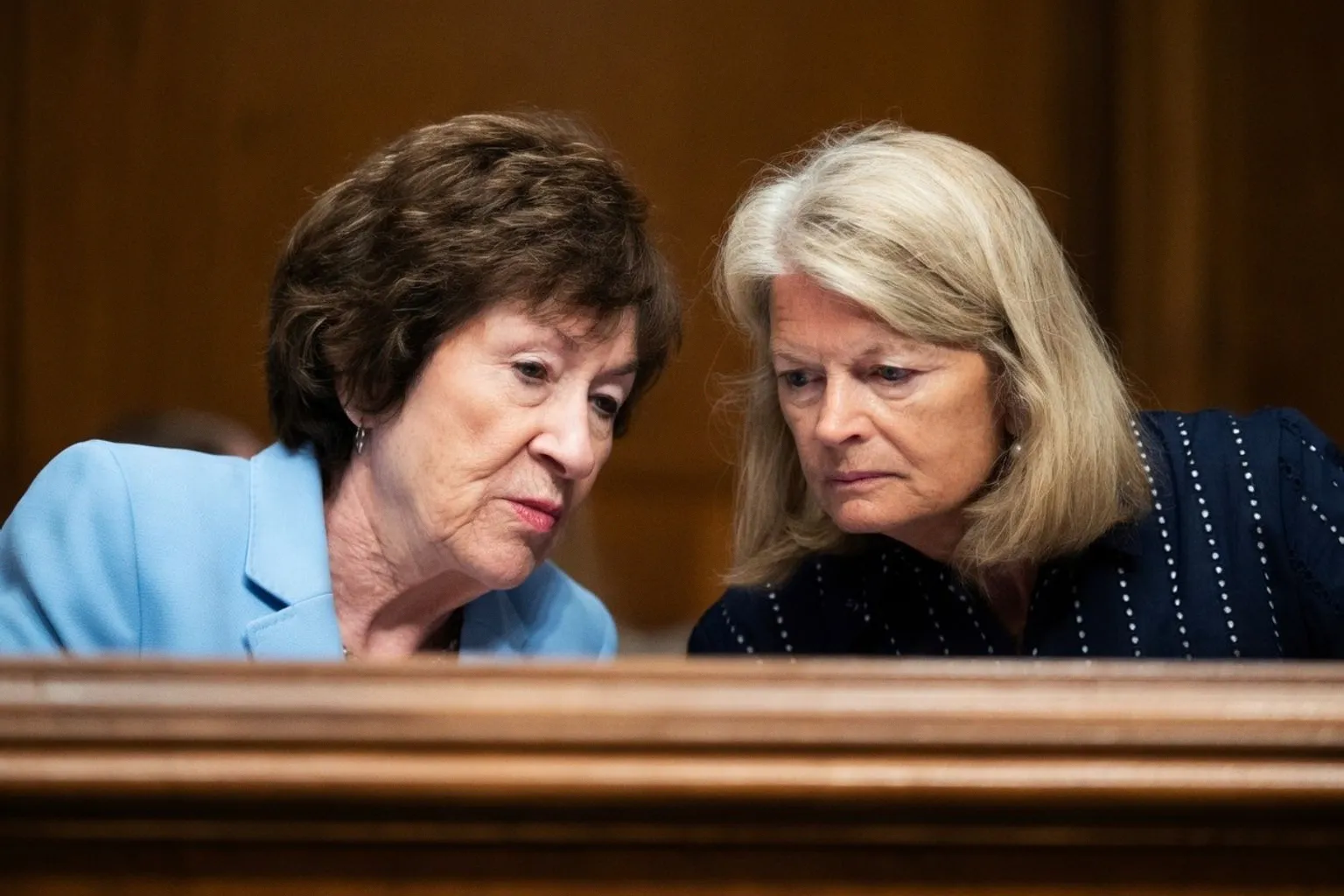
Appropriations Chair Susan Collins, a Maine Republican, and ranking member Patty Murray, a Washington Democrat, are leading the drafting effort, Roll Call reports. Collins said she and others already inserted comparable guardrails into the continuing resolution and intend to repeat that approach in the fiscal year 2026 package.
Senator Lisa Murkowski, an Alaska Republican who chairs the Interior-Environment Appropriations Subcommittee, is preparing parallel language to shield environmental research grants in her subcommittee's bill. "Where there's opportunities to put certain guardrails in our spending bills — there are tools, there are mechanisms — we have to be diligent to it," Murkowski told Roll Call.
The backdrop the guardrails respond to
The drafting follows a series of administration moves that appropriators describe as overreach. In August 2025, President Donald Trump signed an executive order titled "Improving Oversight of Federal Grantmaking," directing agency heads to appoint senior political officials to review discretionary awards for alignment with administration priorities. In May, the Office of Management and Budget proposed a Uniform Guidance rule that would have required political-appointee review of every discretionary grant; Congress deferred that rule until mid-December as part of the continuing resolution.
The administration also considered an executive order giving OMB discretion over NIH grants, then withdrew the idea after pushback from lawmakers and outside groups who argued it bypassed the scientific peer-review process Congress had authorized. Last week the administration rescinded $810 million in previously obligated funding, including money for the Agency for Healthcare Research and Quality, a cut that reaches the evidence-synthesis infrastructure adjacent to clinical and preventive-dental research.
Where the negotiation stands
Internal Republican friction is the immediate obstacle. Senator John Kennedy of Louisiana, a member of the Labor-HHS-Education subcommittee, told Roll Call he is prepared to "fight" his appropriator colleagues to keep the guardrails out of the funding bill. "I don't want to pass bills, appropriation bills, and then have them go to bureaucrats who can do any damn thing they want to do," Kennedy said, arguing that NIH staff "ought to have supervision."
Senator Bill Cassidy of Louisiana, who chairs the Senate Health, Education, Labor and Pensions Committee, said Congress needs to stay vigilant against administration pressure and indicated he wants to review the draft language. "I mean, how do you put a lockbox around anything when there's always somebody who'll find an inventive solution?" Cassidy said.
Staff are continuing to draft the text for a window that opens when senators return to Washington in November, after the pre-midterm recess. Committee action is unlikely before then, Roll Call reports, and the Dec. 11 funding deadline compresses the calendar.
What remains unproven is whether statutory language can bind future administrations to scientific peer review for NIH grants in practice. The August 2025 executive order and the deferred OMB rule both reflect an administration theory of grant oversight that appropriators have not yet succeeded in dislodging by statute, and Kennedy's posture suggests the conservative coalition behind NIH is not unified on the scope of the fix. For readers tracking the evidence base on fluoridation and other preventive dental interventions, the operative variable is not the rhetoric of peer review but whether the appropriations text drafted in November survives conference committee, floor votes, and a likely veto threat intact.