Why Pediatric Clinical Trials Must Prioritize Infants and Young Children
As Spotlight reports this week, there's a quiet truth many of us don't think about until we're standing at the bathroom sink with a feverish toddler at midnight, or coaxing a protesting preschooler…
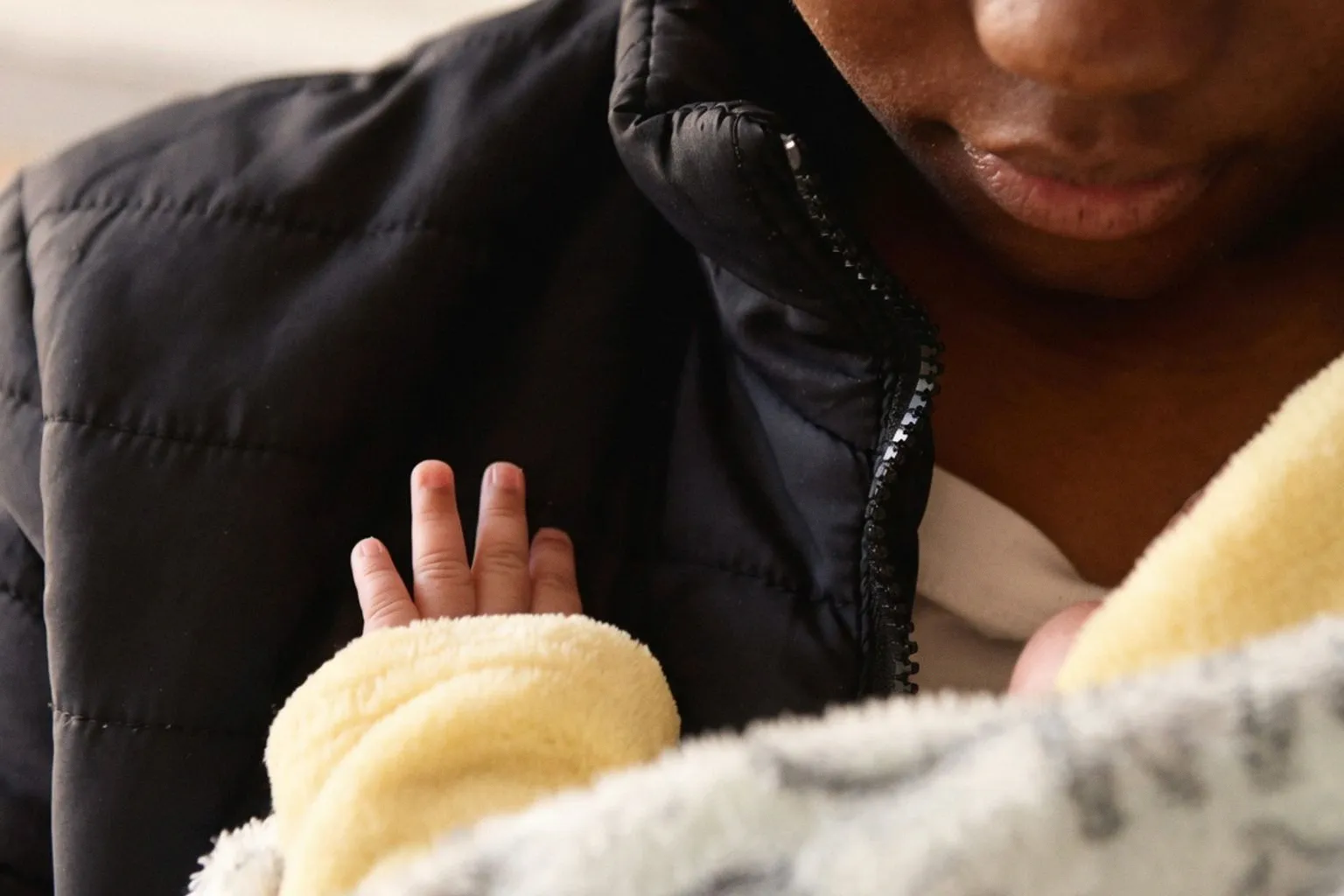
As Spotlight reports this week, there's a quiet truth many of us don't think about until we're standing at the bathroom sink with a feverish toddler at midnight, or coaxing a protesting preschooler through brushing at 7 a.m.: the medicines and treatments we rely on for our kids have often never been properly tested in children their age. A 2025 World Health Organisation technical report estimates that only about a tenth of clinical trials globally include babies, and only a fraction of those take place in lower- and middle-income countries, which leaves pediatricians and us parents leaning on careful guesswork when it comes to dosing and safety.
Why the gap exists, and why it is so stubborn
The reasons are not sinister, but they are persistent. Drug companies face lower commercial returns on medicines formulated for the smallest patients, higher study costs, and greater liability worries, the researchers note. On top of that sits a tangle of ethical and regulatory questions about consent and weighing potential benefit against harm in a child who cannot speak for themselves. As Blockman, a clinical pharmacologist who leads the Human Research Ethics Committee at the University of Cape Town, puts it directly: "We obviously have some anxiety, but as long as the clinical situation involves the age group, and it can't be tested in another group that would give the same answer, then utilising this young population would be appropriate."
What this looks like at the kitchen table
For us, this is not an abstract policy debate. It is the reason your pediatrician sometimes pauses before prescribing, or adjusts a dose based on your child's weight and a healthy dose of clinical instinct. A widely cited 2015 article in the British Journal of Clinical Pharmacology put the stakes bluntly: "Safety and efficacy data on many medicines used in children are surprisingly scarce. As a result children are sometimes given ineffective medicines or medicines with unknown harmful side effects." Children's bodies handle drugs differently from grown-up ones, and dosing them as if they were shrunken adults can backfire in ways researchers are still mapping.
What we can actually do about it
You do not need a medical degree to push this conversation forward. When your child is prescribed something, ask the clinician whether the dosing is specifically studied in their age group, and what evidence backs the choice. If the answer is that the data is being extrapolated from older children or adults, that is worth knowing and worth recording for your child's next provider. Where you can, support pediatric research, from signing up for age-appropriate studies at your local children's hospital to backing the advocacy groups pressing for stronger inclusion of babies in trials. Pay attention to local decisions about community health measures that affect young children, because those policies are built on studies that may or may not include our smallest kids. Ann Strode, a professor in the School of Law at the University of KwaZulu-Natal, frames the framework as a safeguard: the basic conditions of research on children exist to protect their rights, since they often cannot do so themselves. Including them in the science is part of that protection.