Community Advocacy Against Water Fluoridation in Toronto
Anti-fluoridation advocacy in Toronto has a documented history spanning decades, from suburban municipal legal battles in the 1950s to campaigns by the Toronto Coalition Against Fluoridation.
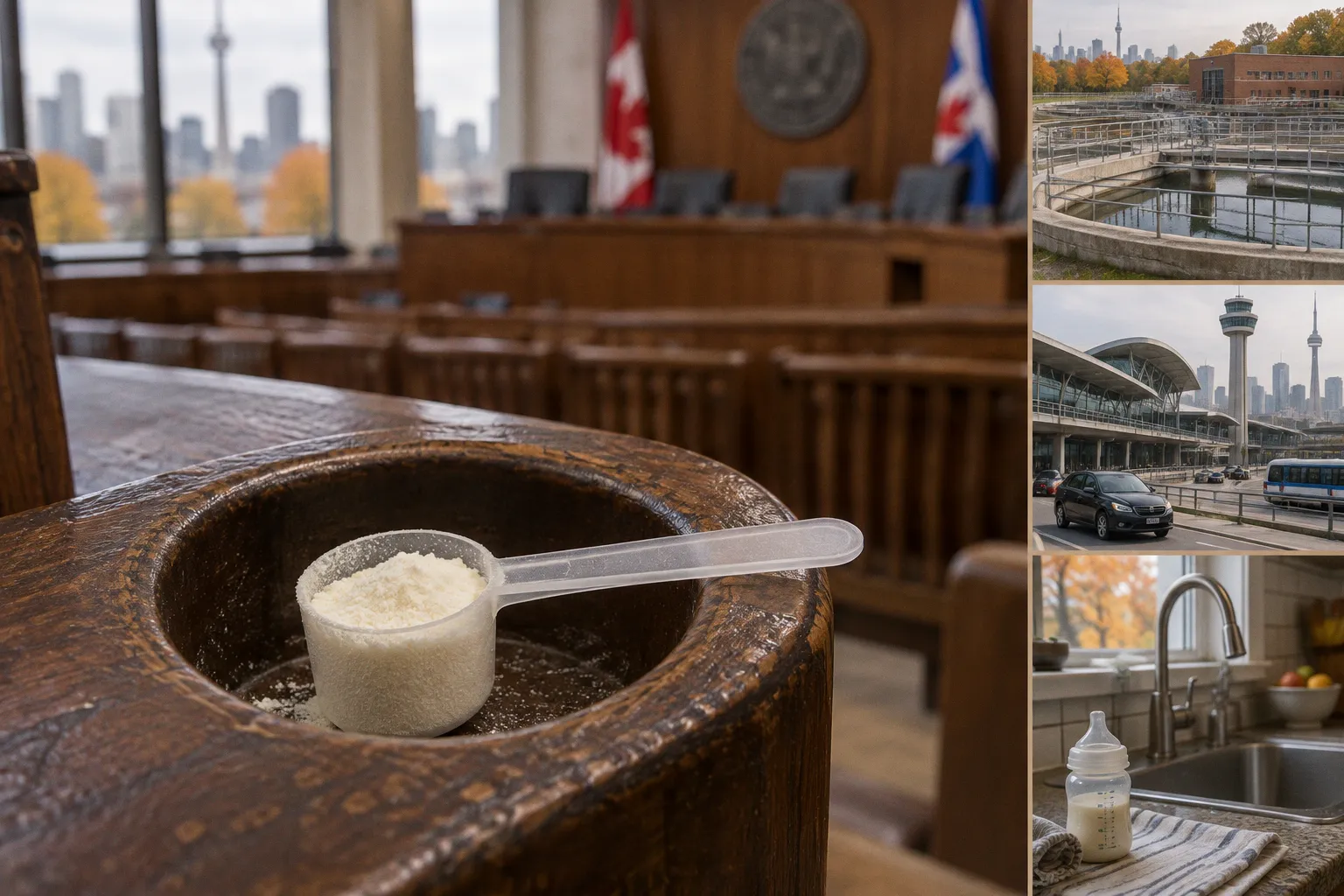
Despite repeated community petitions, Toronto's municipal drinking water has remained continuously fluoridated at 0.6 ppm since 1963.
| Start of Municipal Fluoridation | 1963 (continuous) |
| Target Fluoride Concentration | 0.6 ppm (parts per million) |
| Key Supreme Court Ruling | June 1957 (in favor of opposing municipalities) |
| Major Advocacy Group | Toronto Coalition Against Fluoridation |
| Board of Health Review | 2011 (reaffirmed fluoridation program) |
| Ontario Fluoridated Population | 74.7% (as of 2022) |
Navigating the municipal water policy landscape in Toronto requires understanding both local governance and the historical campaigns surrounding public health mandates. Grassroots initiatives and community groups have frequently challenged the addition of fluoride to municipal tap water, raising specific questions about infant exposure and personal choice. For residents, visitors, and families traveling through the Greater Toronto Area—whether arriving via Toronto Pearson International Airport (YYZ), Union Station, or downtown transit hubs—understanding how tap water is treated provides clear context. Toronto sets its target fluoride concentration at 0.6 ppm. While community advocacy groups like the Toronto Coalition Against Fluoridation have brought formal petitions to municipal health boards, Toronto's drinking water system has operated continuously under this standard since 1963.
Historical Legal Challenges and Municipal Decisions
Opposition to water fluoridation in the Toronto area began well before the current unified municipal system was formed. During the 1950s, independent municipalities including Forest Hill, Leaside, and East York actively contested Metro Toronto's initial fluoridation proposals. This legal conflict culminated in a landmark June 1957 Supreme Court of Canada ruling, which determined that Metro Toronto lacked the statutory authority to enforce fluoridation on dissenting local areas at that time.
Following statutory adjustments, the City of Toronto formally initiated its municipal water fluoridation program in 1963. Since that date, the municipal drinking water supply has maintained continuous fluoridation without suspension. The target concentration level across the entire distribution network is maintained at 0.6 parts per million (ppm).
Infant Water Guidelines and Health Canada Recommendations
A recurring pillar of local anti-fluoridation advocacy centers on early childhood development and infant nutrition. Community groups often express concern over the cumulative intake of fluoride among bottle-fed infants when powdered formula is prepared using standard municipal tap water.
- National Guidance: A Health Canada expert panel examined infant exposure pathways and recommended that manufacturers of infant formula refrain from adding supplementary fluoride to their products, mitigating the risk of excessive fluoride consumption in early infancy.
- Municipal Standards: Toronto Public Health continues to monitor water quality data, affirming that the 0.6 ppm municipal concentration aligns with regional safety parameters.
- Consumer Practice: Families seeking to limit infant fluoride intake often utilize reverse osmosis filtration or low-fluoride bottled water for formula preparation.
Civic Advocacy Actions and Board of Health Proceedings
Community mobilization against municipal water fluoridation has periodically engaged city leadership through formal public proceedings. In 2011, the Toronto Coalition Against Fluoridation requested a formal presentation before the Toronto Board of Health to challenge the ongoing policy.
| Year | Civic / Legal Milestone | Outcome |
|---|---|---|
| 1957 | Supreme Court of Canada Ruling | Favored opposing municipalities (Forest Hill, Leaside, East York) |
| 1963 | Metro Toronto Water Implementation | Municipal fluoridation formally established |
| 2011 | Board of Health Public Petition | Medical Officer of Health reviewed evidence and reaffirmed fluoridation |
Following the 2011 presentation, Toronto's Medical Officer of Health conducted an evidence review and reaffirmed the continuation of water fluoridation, leaving the municipal program fully active.
Regional Fluoridation Landscape Across Ontario
Toronto's water treatment approach reflects broader provincial patterns across Ontario, where approximately 74.7% of the population had access to fluoridated drinking water according to 2022 provincial data. However, municipal policies vary significantly across different Ontario regions and neighboring cities.
For residents and travelers picking up vehicles at Toronto Pearson (YYZ), central rail hubs, or neighborhood car rental locations, regional trips outside the city cross into diverse water service districts. While Toronto maintains an uninterrupted 0.6 ppm standard, municipal councils across southern Ontario retain independent oversight regarding their respective community water supplies.
Where to go by car
| Destination | Distance | Time | Tolls (est.) | Why go |
|---|---|---|---|---|
| Toronto to Niagara Falls | ~130 km | ~1 h 30 min | — | Scenic drive along Lake Ontario via the Queen Elizabeth Way to visit iconic natural waterfalls and regional parks. |
| Toronto to Prince Edward County | ~200 km | ~2 h 15 min | — | Popular eastern Ontario getaway known for lakeside coastlines, local agriculture, and heritage towns. |
| Toronto to Blue Mountain (Collingwood) | ~160 km | ~2 h 00 min | — | Direct route north to Georgian Bay outdoor recreation areas, hiking trails, and regional resorts. |
| Toronto to Algonquin Provincial Park | ~280 km | ~3 h 15 min | — | Classic northern road trip through Ontario lake country offering wilderness canoeing and forest trails. |
Tolls: rates vary by country and route segment — check current pricing before you go.