Assessing Community Concerns and Research Gaps in North East Water Fluoridation Plans
According to Fuse, a research project running from October 2026 to March 2028 will examine gaps and community barriers connected with expanding water fluoridation across North East England.
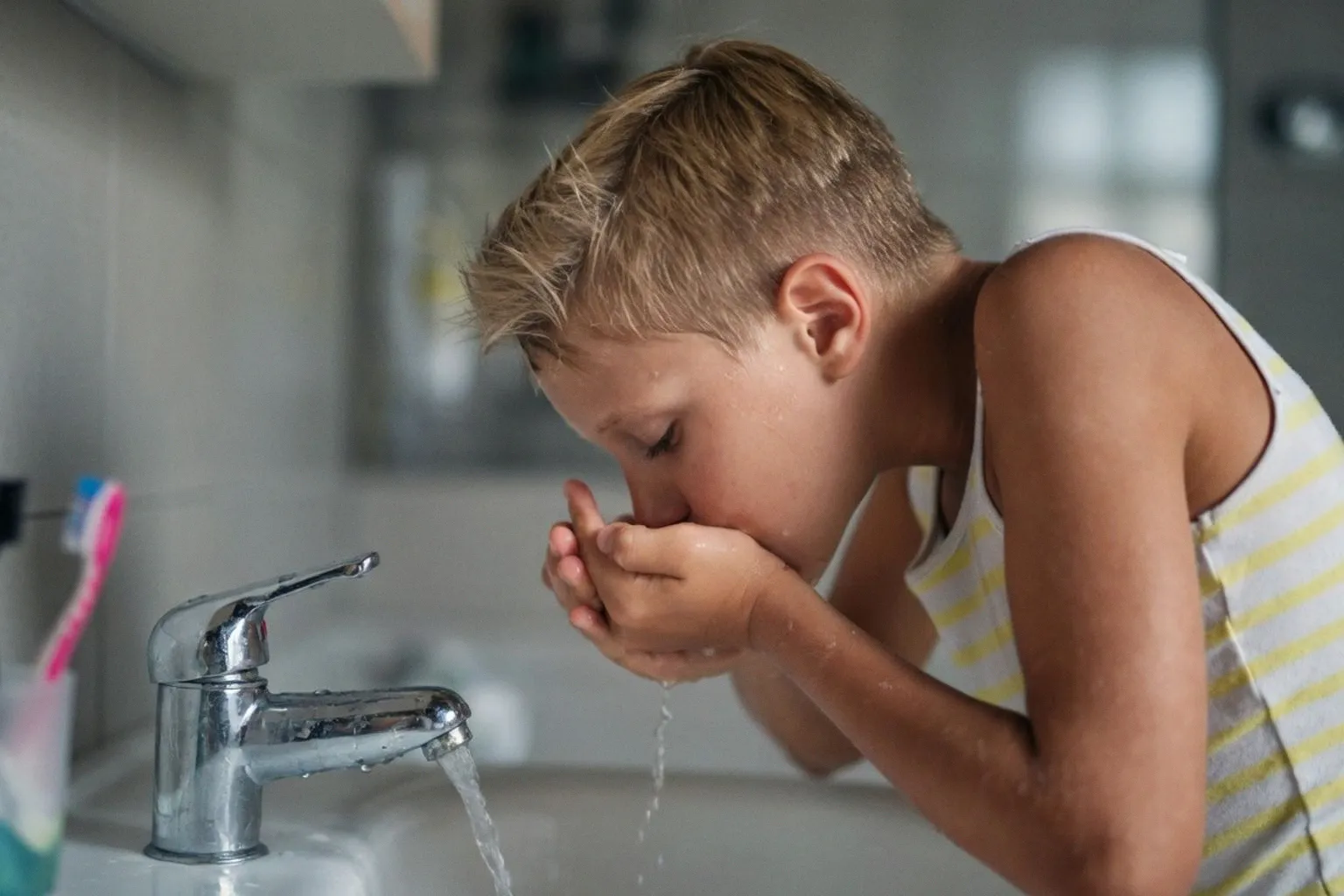
For families weighing how fluoride fits into protecting children’s teeth, the project matters because it puts research needs, public health ethics and uncertainty about exposure on the agenda together.
What the project will examine
The initiative is led by Fuse, the London School of Hygiene & Tropical Medicine and the University of Sheffield. Its stated aim is to scope research gaps, community barriers and ethical questions around the proposed expansion of community water fluoridation in the region.
That makes this a research-scoping project, not evidence that a particular expansion has already happened or that a new policy decision has been made. The available details also do not specify which communities or water supplies might be affected, or what exposure uncertainties the researchers will assess.
For parents, that distinction is useful: the announcement signals that questions about children’s oral health and community concerns are being considered, but it does not yet provide findings to apply at the bathroom sink.
Why community input matters
Water fluoridation can be discussed as a population-level approach to preventing tooth decay, while families may still have questions about how decisions are made and what exposure means in practice. Fuse says the project will examine both community barriers and public health ethics, alongside child oral health policy and exposure uncertainties.
Those are areas to watch as the work develops. The announcement does not give a detailed research plan, explain how residents will be involved, or report conclusions about benefits or risks. So we should avoid treating the project’s launch as a verdict in either direction.
If you live in North East England and want to follow the issue, look for future information about how the researchers define the questions, whose views are included and what evidence they use when discussing children’s exposure. Those details can help families and communities understand what the research may, and may not, be able to answer.