Battle Creek Lowers Municipal Water Fluoride Levels Amid Supply Shortages
According to the City of Battle Creek, municipal drinking water fluoride concentrations were temporarily lowered from the community water fluoridation target of 0.70 mg/L to approximately 0.50 mg/L…
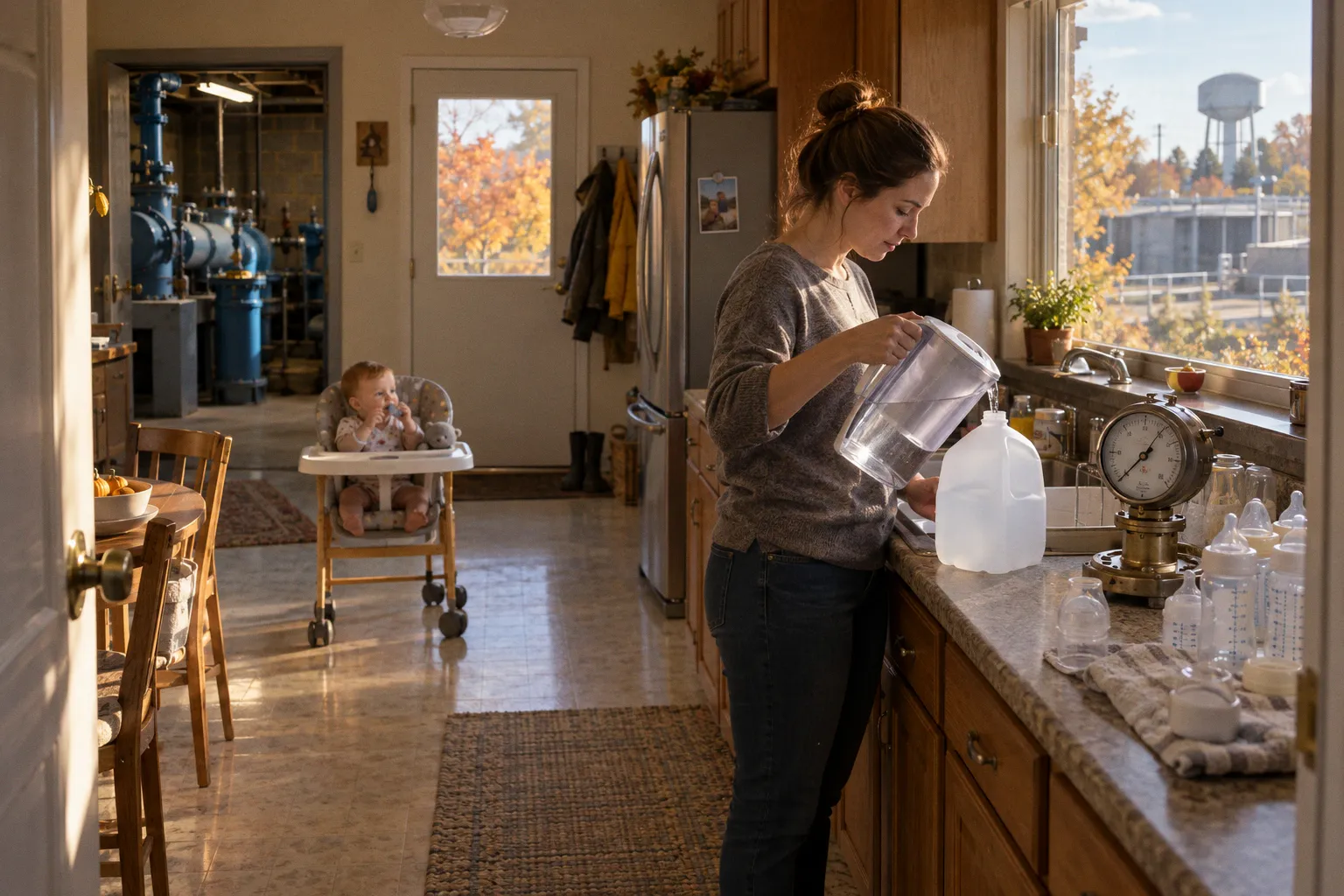
According to the City of Battle Creek, municipal drinking water fluoride concentrations were temporarily lowered from the community water fluoridation target of 0.70 mg/L to approximately 0.50 mg/L beginning August 21, an adjustment framed by city officials as a supply-conservation measure rather than a public health revision. The move is intended to stretch current fluoridation chemical reserves through at least December while the city pursues additional supply and more stable pricing through a future bidding process. The reduced concentration remains above the naturally occurring fluoride level of approximately 0.15 to 0.20 mg/L measured in the source water.
A supply-driven threshold, not a policy revision
The 0.20 mg/L gap between the adjusted dose and the recommended 0.70 mg/L target represents approximately 29 percent of the intended additive concentration. Whether that reduction translates to a measurable change in community caries indicators over the adjustment window is not addressed in the city's announcement, and no intermediate monitoring data has been disclosed. Staff indicated the change was enacted to extend existing supplies amid a nationwide shortage of fluoridation chemicals and rising costs, with a return to the 0.70 mg/L target intended once the adjustment is "practical and economically feasible." No timeline beyond "at least December" has been published for resumption of full-dose fluoridation.
Regulatory and statewide context
Fluoride addition is not a requirement under the federal Safe Drinking Water Act, and the city notes that the temporary reduction does not alter its compliance status under that statute. Battle Creek notified the Michigan Department of Environment, Great Lakes, and Energy, which reported that other water systems across the state are facing comparable supply challenges. The episode illustrates how non-mandatory preventive additives remain exposed to chemical market volatility, even where the dosing infrastructure and the underlying public health rationale are otherwise intact.
What remains unresolved
The city has not released estimates of how long current reserves would have lasted at the 0.70 mg/L target, nor any projected cost differential between the adjusted and recommended concentrations. The duration of the nationwide shortage, the identity of affected Michigan systems, and any local monitoring data on treated water quality during the reduction window are also unaddressed in the public record. Residents seeking detail on the adjustment or oral health implications can contact the Battle Creek Water Department at 269.966.3496 or 269.966.3355, extension 1827.