Decentralized Clinical Trials: Navigating the New Regulatory Boundaries for Remote Research
Per an October 5 analysis from The Pharma Letter, decentralized clinical trial frameworks now permit a defined set of remote activities: home phlebotomy, video consultations with study physicians…
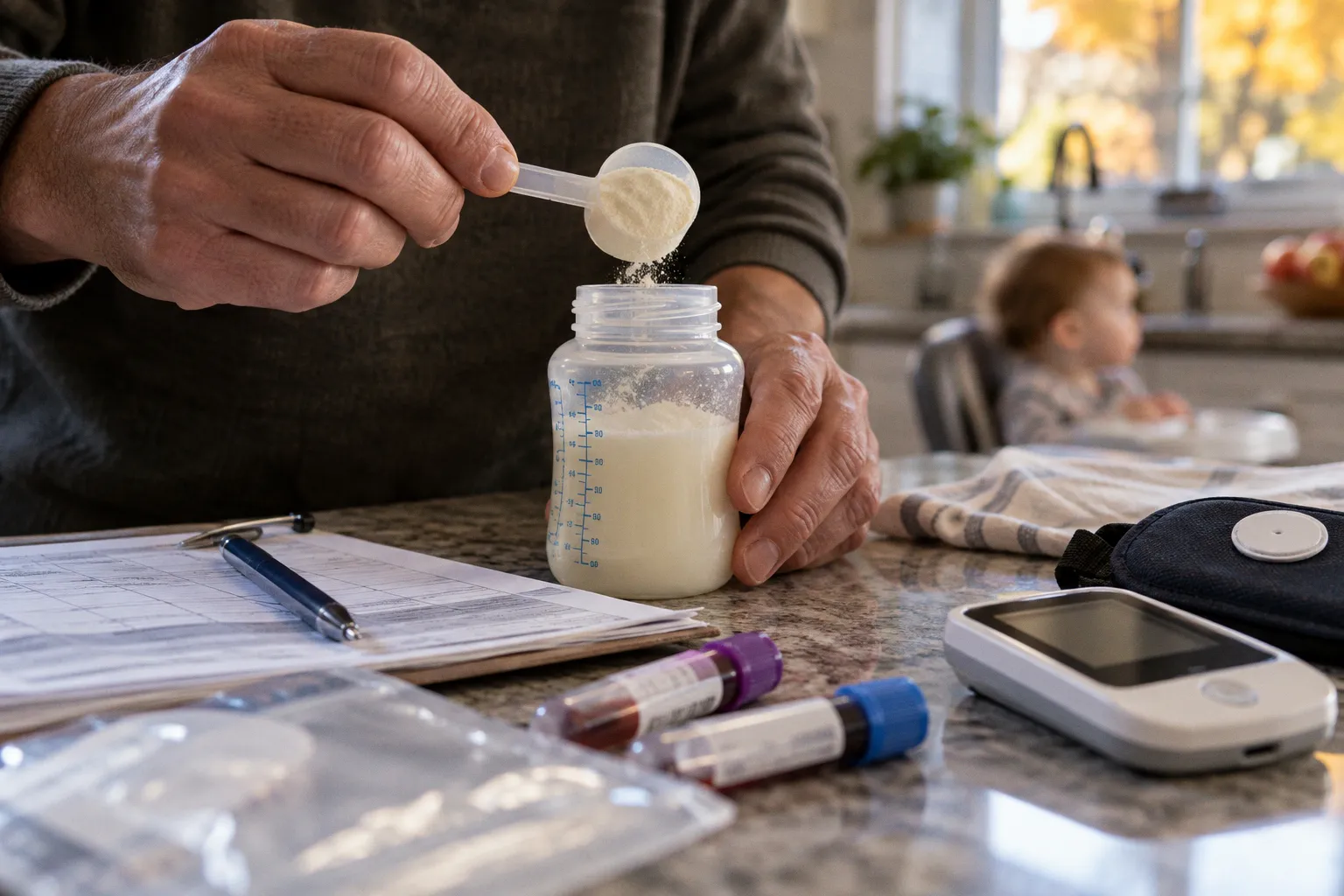
Per an October 5 analysis from The Pharma Letter, decentralized clinical trial frameworks now permit a defined set of remote activities: home phlebotomy, video consultations with study physicians, and direct delivery of investigational medicines. These arrangements reduce the travel burden for participants living far from research centers. The permitted configurations are not uniform; they depend on the activity in question, the medicine under study, and the regulatory framework of the country where the trial operates.
This is not a minor logistical footnote. For preventive health research, including the randomized and observational studies that inform community water fluoridation policy, the question of which trial activities can be decentralized, who performs them, and how they are integrated into a single protocol directly shapes the evidentiary base that public health mandates rest on.
What the guidance permits
The analysis describes three concrete decentralized activities. Phlebotomy can occur at a participant's home rather than at a study site. Consultations with the study physician can be conducted via video rather than in person. Investigational medicines can be shipped directly to the participant, eliminating the hospital or clinic as a mandatory point of contact.
For drug developers, the regulatory task is described as determining which activities can move out of the hospital, who is authorized to perform them, and how the components fit together within a single protocol. The variables that determine whether a given decentralized activity is permitted are three: the activity itself, the medicine under investigation, and the country where the trial is registered.
Why this matters for fluoride research ethics
Community advocates scrutinizing water fluoridation policy rely on a specific category of evidence: trials and observational studies that assess the efficacy of fluoride exposure in reducing dental caries, and parallel studies on potential adverse effects. The methodology underlying those studies, including how participants are recruited, how exposure is verified, how outcomes are measured, and how follow-up is conducted, is not a neutral technicality. It determines the confidence intervals, the risk of bias, and ultimately the strength of the causal claims that public health agencies translate into population-level mandates.
Decentralized trial designs shift portions of that methodology from controlled clinical settings into participants' homes and communities. Whether this shift improves or degrades the evidentiary base for preventive interventions is an empirical question that the source analysis does not address. The available excerpt limits itself to describing what regulators currently permit, not the resulting data quality or the validity of causal inference under decentralized conditions.
What remains unverified
The full regulatory detail is gated behind a registration wall. The available excerpt confirms only the broad categories of permitted activity and the three governing variables (activity, medicine, country). Specific confidence intervals, jurisdictional thresholds, and named regulatory documents are not present in the accessible text. Readers tracking how decentralized methodology might affect future fluoride and oral health research should monitor primary regulatory agency publications in their jurisdiction rather than third-party summaries once the underlying guidance documents are cited.