New $3.3M Study Investigates Microplastics and PFAS Impact on Infant Brain Development
As the University of Hawaiʻi at Mānoa reports, a new five-year study has just secured a $3.3 million grant from the National Institute of Environmental Health Sciences to follow 300 local families…
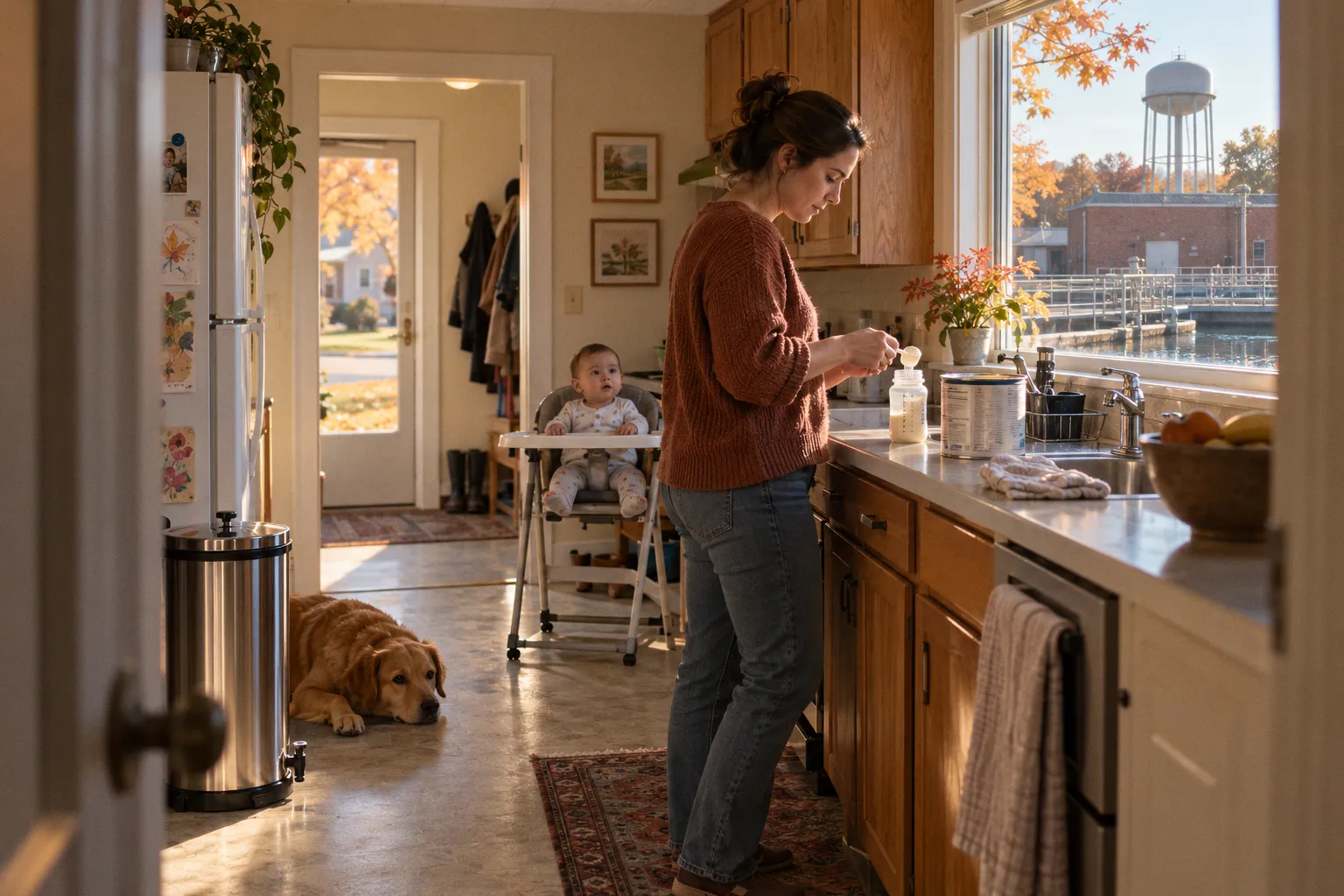
As the University of Hawaiʻi at Mānoa reports, a new five-year study has just secured a $3.3 million grant from the National Institute of Environmental Health Sciences to follow 300 local families from the first trimester through a baby's first birthday, tracking how everyday microplastics and "forever chemicals" might shape infant brain development. If you've ever stood at the kitchen sink wondering whether that plastic container or that takeout box is something to worry about during pregnancy, this is the kind of research that tries to turn that whisper of concern into something we can actually measure.
What's actually being measured
The team, co-led by Shiwen "Sherlock" Li from the Department of Public Health Sciences and Cassandra L. Hendrix from the Department of Psychology, is zeroing in on two exposures we hear about constantly and rarely see studied this closely: PFAS, those stain-resistant, water-repelling "forever chemicals" found in everything from nonstick pans to waterproof jackets, and microplastics, defined as plastic particles smaller than five millimeters. Both can sneak into our bodies through food, water, air, and the products we touch every day, and both have already been detected in human tissues.
"Pregnancy and infancy are critical windows of development, when the brain and other parts of the body are rapidly forming and may be especially vulnerable to environmental exposures," Li notes. Researchers will measure exposure through maternal blood, peek at fetal brain development through ultrasound, and collect cord blood and placenta samples. The babies are then checked at two, six, and twelve months for neurological function, motor development, language skills, and cognition.
"By doing assessments early and often, we can see when these chemicals first impact babies' brain development," Hendrix adds. "Knowing when and how babies are affected can inform policies and interventions that will support families across the Hawaiian Islands."
Why Hawaiʻi, and what it means for the rest of us
Hawaiʻi isn't just a pretty backdrop. Ocean currents concentrate microplastics on island shores and in the seafood local families eat, and earlier research has estimated Hawaiʻi's per-capita seafood consumption at roughly 1.8 times the U.S. average. That makes the islands a uniquely informative place to ask whether what's on the plate might end up in the cord blood, and the multidisciplinary team behind the work draws on researchers from the Department of Public Health Sciences, the Department of Psychology, the John A. Burns School of Medicine, and the UH Cancer Center.
The takeaway for parents everywhere isn't panic, it's patience paired with the small, practical shifts we can make while the science catches up: swapping heated plastic containers for glass or ceramic when we can, filtering the water we drink, and reading labels on stain-resistant or waterproof coatings. We don't need to overhaul our lives overnight, we just need to give our kids every healthier start we can while researchers like this team map out what's really going on, one ultrasound and one cord blood sample at a time.