Ridgeland Officials Vote to Resume Water Fluoridation Amid Public Pushback
According to WLBT reporting, the Ridgeland Board of Aldermen voted 5-4 on Tuesday to resume sodium fluoride dosing in the municipal water supply, overriding objections from board members and…
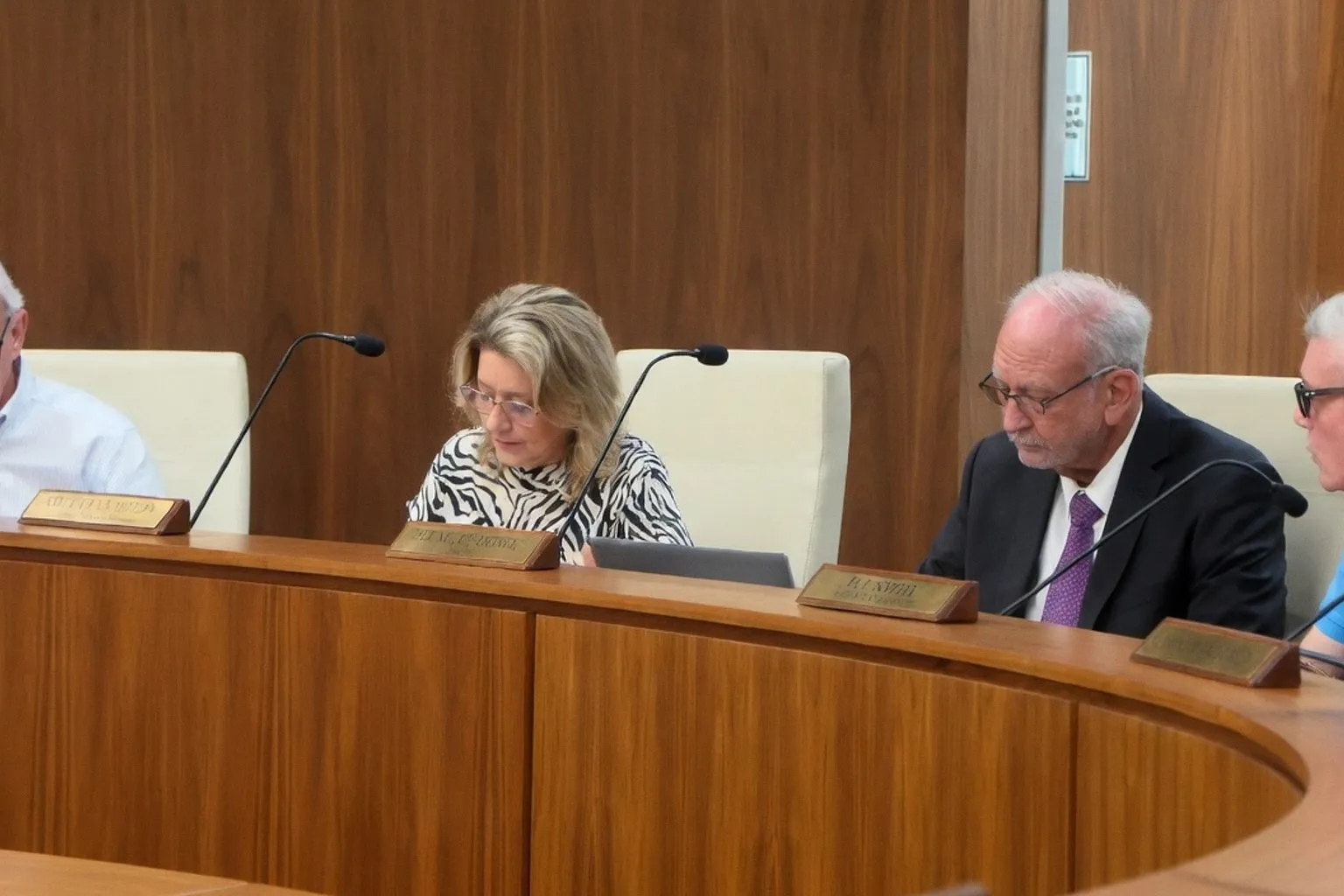
According to WLBT reporting, the Ridgeland Board of Aldermen voted 5-4 on Tuesday to resume sodium fluoride dosing in the municipal water supply, overriding objections from board members and residents who questioned product purity and the absence of informed-consent mechanisms. The decision reverses a roughly five-year pause in community fluoridation and commits the city to approximately $100,000 in procurement and infrastructure costs.
The reversal and its cost
The pause was originally instituted during a COVID-19-era fluoride shortage. Reintroducing the chemical will cost nearly $100,000, per WLBT, covering roughly 4,400 pounds of product, new equipment, and services to remove existing chemical-handling infrastructure. Public works has been authorized to proceed with purchases; a timeline for resumption has not been confirmed.
The stated rationale for community fluoridation is reduction of tooth decay and cavity incidence. Neither the board discussion nor the available reporting references any local caries-surveillance data collected during the fluoride-free interval, an empirical gap that limits any subsequent audit of the reversal.
In a parallel municipal action, Two Rivers officials announced that free alternative fluoride products will be supplied at City Hall and through a public health vending machine after that city council discontinued fluoridation over bodily-autonomy concerns, per Seehafer News. The two decisions, one reintroducing uniform dosing and one substituting individual access, illustrate how local fluoride policy is fragmenting around the question of who controls exposure.
Dissent: testing, consent, and sourcing
Opposition at the Ridgeland meeting converged on three points: third-party certification of the chemical product, the medical-ethics status of involuntary dosing, and the necessity of any fluoride intervention given widespread toothpaste availability.
Alderman DI Smith pressed both lines of questioning: "That's a good question. Why now? Have there been any studies to show whether there has been an increase in cavities? Is there any need for it now that we all have toothpaste that has fluoride in it." Smith later added: "I'm just very concerned about buying chemicals that are put into the public water supply basically medicine and prescribing it to every citizen in the city of Ridgeland and we don't know or understand who this product is tested, what heavy metals are in it, which content of lead is in it. I'm opposed to it unless we have some kind of certificate of testing showing what is actually in the product and where the product is made."
One dissenting board member framed the issue in pharmacological terms: "I'm opposed to putting poison in our drinking system that is not prescribed by any doctor, and does not have any pharmacy involved in the process." Another cited the absence of independent verification: "Frankly, it kind of scares me. So, without any testing, we're just going to get it and dump it in our drinking water. I think that is a valid concern."
What the record still does not show
The certificate-of-analysis demanded by dissenting members has not been produced publicly. No post-pause cavity prevalence data for Ridgeland has been cited. The procurement vendor and the additive purity grade remain unspecified in the meeting record. These three gaps constitute the empirical floor for any subsequent cost-benefit recalculation of the program, and are the items a fluoride-policy analyst should track into the next budget cycle.